
Studying abroad in Australia and New Zealand ended up being much more than just an academic trip. At the beginning, I expected it to be a chance to see new places, learn about construction in a different part of the world, and gain some memorable experiences before graduation. While it definitely gave me all of that, it also challenged the way I think about leadership, teamwork, culture, and my own future in the construction industry. Looking back over the trip, what stands out most is how many of the experiences connected personal growth with professional development. Whether I was visiting a major jobsite, meeting with university faculty, walking through a new city, or just observing how people interacted in everyday life, I was constantly learning lessons that I know will stay with me as I begin my career.
One of the biggest takeaways from the trip was seeing how construction leadership can be much more visible and integrated in the field than I had previously imagined. Before this experience, I think I had a more traditional view of management in construction, where office staff and field staff can sometimes feel more separated. During our time abroad, especially through our exposure to Australian construction teams, I saw a different model. On jobsites, leadership teams appeared to be deeply involved in day-to-day field operations, with strong site setups, clear organization, and a high level of presence. That changed the way I think about the kind of leader I want to become. I do not want to be someone who gives directions from a distance. I want to lead from the front, be present on site, and build trust by being willing to do the hard parts of the job alongside the team. That shift in perspective was one of the most valuable outcomes of the entire experience.
Several site and industry visits helped reinforce that lesson. One of the most memorable was the visit to the approximately $700 million data center project outside Parramatta. Seeing a project of that scale in person was impressive on its own, but what stood out even more was the coordination required to make something like that happen. The sheer size of the site, the complexity of the systems involved, and the level of planning needed to keep the project moving all made a strong impression on me. As someone studying building science and preparing to enter the industry full time, it was exciting to see just how large and technically advanced modern construction projects can be. That visit reminded me that construction is not just about putting materials in place. It is about logistics, communication, sequencing, leadership, and problem solving at a very high level.
Another valuable academic experience was our meeting with the construction department at the University of New South Wales. It was interesting to hear how students and faculty there think about the construction industry and professional preparation. Even though construction is a global industry, it became clear that different countries and universities emphasize different parts of the process. That meeting gave me a better understanding of how construction education can vary while still aiming toward the same end goal: preparing students to manage complex projects and work effectively with people. It also made me appreciate that the field I am entering is larger than the U.S. market alone. There are many different approaches to leadership, design, project delivery, and workplace culture that can all offer something valuable.
Outside of formal academic experiences, some of the most meaningful growth came from simply moving through unfamiliar places and learning how to pay attention. The Blue Mountains trip was one of those moments. The landscape reminded me of the Grand Canyon in terms of scale, but with its own distinct character because of the heavy tree cover and the different atmosphere of the environment. Standing there gave me a real sense of how large and varied the world is. It also reminded me that travel can reset your perspective. When you step outside your normal routines, it becomes easier to reflect on where you are, what matters to you, and what kind of future you want to build.
That same feeling carried into our visit to Wollongong. Walking through the city, spending time near the beach, and seeing places like Flagstaff Point Lighthouse showed me another side of Australia beyond central Sydney. I enjoyed seeing how the built environment, public space, and natural landscape all interacted. From a construction and planning perspective, it was interesting to observe how cities and public spaces are shaped differently in another country. From a personal perspective, it was just as valuable to slow down and experience a place in a more everyday way. Those moments made the trip feel more immersive rather than just instructional.
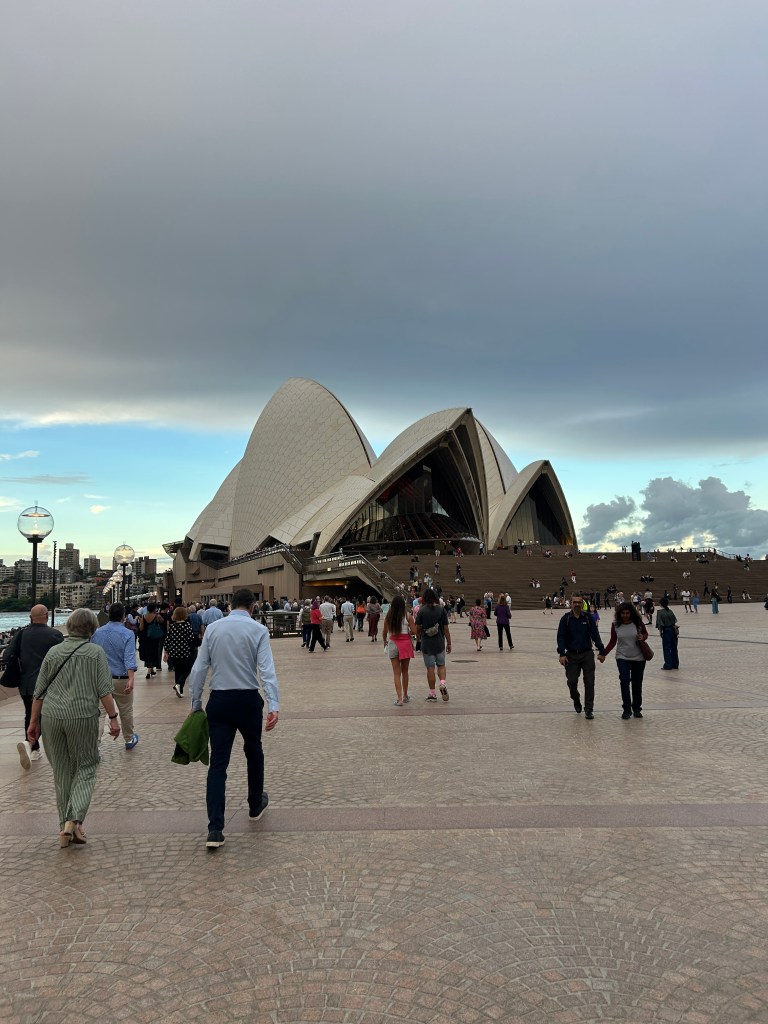
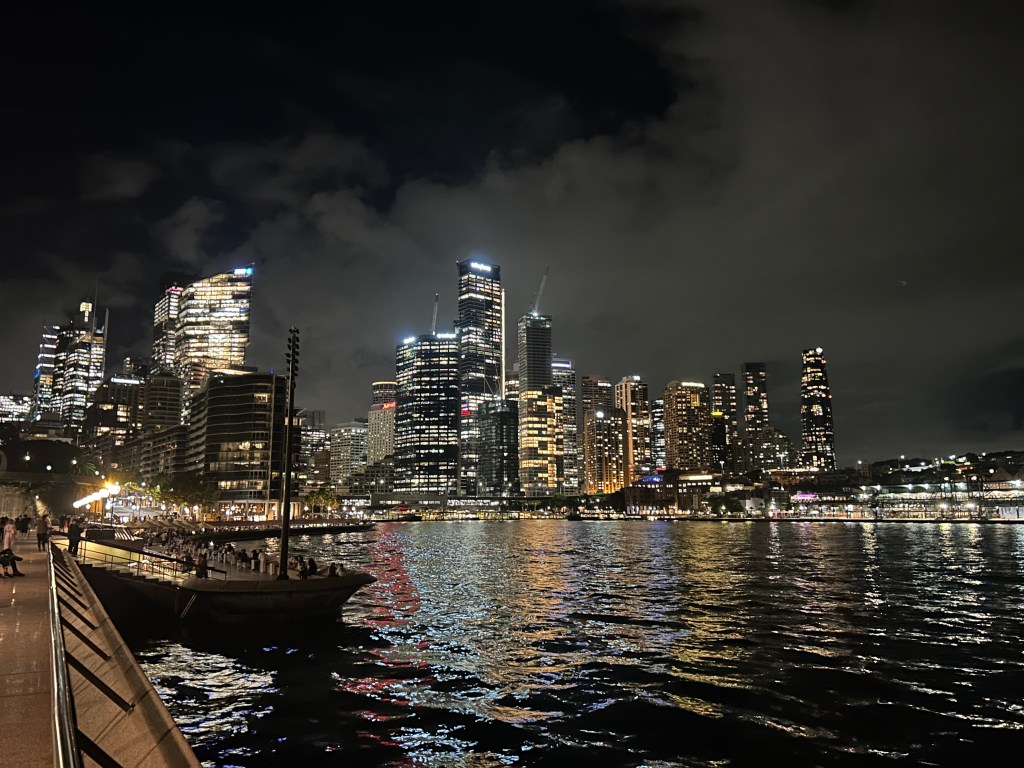
Sydney itself offered a completely different type of learning. Looking down Broadway Street, walking toward the Sydney Cricket Ground, going up Sydney Tower, and spending time in the city center gave me a strong appreciation for the energy and density of a major international city. The city felt active, connected, and highly public-facing. There was always movement, whether it was transit, pedestrians, events, or daily city life. As someone preparing for a career in construction, I found myself paying attention not only to landmarks and views but also to infrastructure, transportation, and the way the city functioned as a whole. Visiting the Sydney Maritime Museum and later seeing Julius Caesar at the Sydney Opera House added another dimension to the experience. Those moments reminded me that professional growth does not happen only on jobsites or in classrooms. It also comes from being exposed to history, culture, architecture, and performance, all of which shape the way we understand places and people.
Some of the most memorable moments of the trip were not strictly academic, but they still contributed to my growth. Going to the rugby game in Sydney was one of them. The atmosphere was incredible, especially with the historic record being broken and the crowd rushing the field afterward. It was one of those moments where I felt fully immersed in the culture of the place rather than just observing it from the outside. Celebrating St. Patrick’s Day in Sydney after our meeting at UNSW was another experience that made the trip feel personal and real. Those moments mattered because they helped me connect with the local environment in a way that was more natural and human. Cultural immersion is not only about museums or formal visits. It is also about understanding how people celebrate, gather, and enjoy life.
Overall, this study abroad experience helped me better understand the kind of person and professional I want to be. It confirmed that I want to enter the construction industry not just as someone focused on technical performance, but as someone who values fairness, visibility, communication, and respect for the people doing the work. It also reminded me that there is real value in stepping outside what is familiar. Seeing new cities, meeting new people, and observing different professional environments pushed me to think more critically about leadership and more broadly about the construction industry. As I prepare to begin my career, I will carry forward not only the specific lessons I learned about construction and project teams, but also the broader perspective I gained from being immersed in another part of the world. That is what made this trip meaningful. It was not just about where I went. It was about how those experiences changed the way I see my future.
 BSCI Down Under 2026
Leave a comment