SPACES
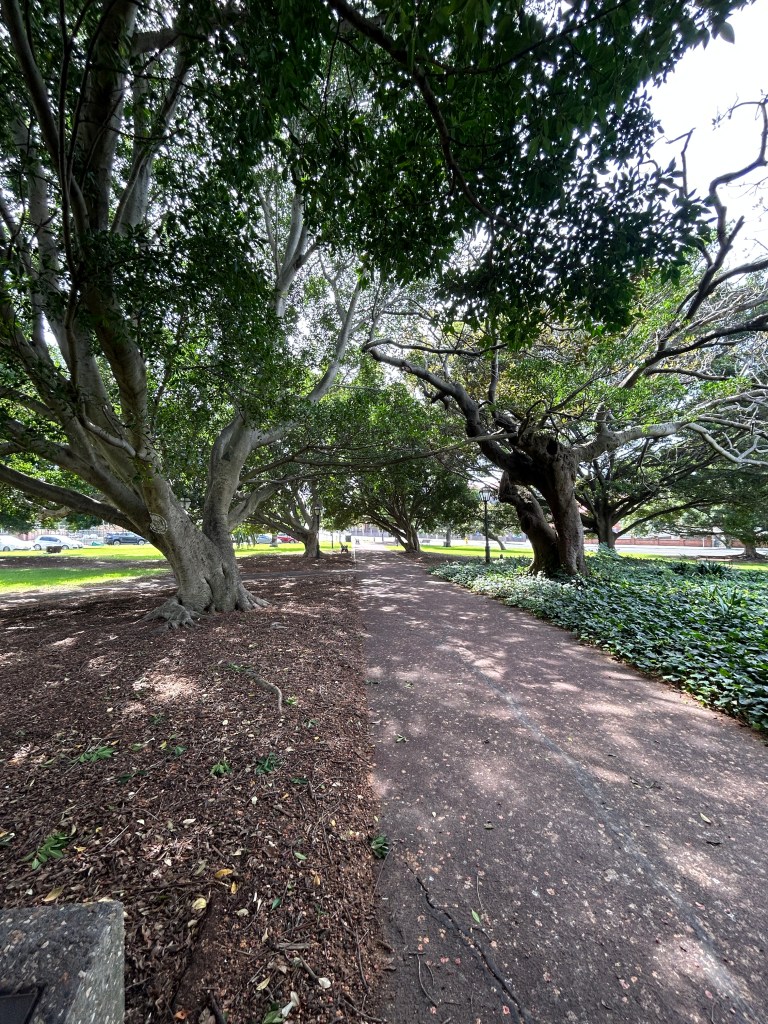
Wollongong Park Path, NSW
As I walked along this park path in Wollongong, I immediately noticed how the space is clearly defined by a strong natural enclosure created by the large, mature trees on both sides. The canopy overhead acts almost like a ceiling, filtering light and creating a shaded, comfortable environment that contrasts with the more open grassy areas nearby. This enclosure helps separate the pedestrian pathway from adjacent roadways and urban activity, making the space feel quieter and more controlled. The path itself is simple in material, consisting of a continuous paved surface that supports smooth circulation for walking and biking. The surrounding mulch beds and vegetation soften the edges of the path, reinforcing the natural character of the space. I also observed that there is minimal interaction with vehicles, which significantly improves safety and usability. Overall, this space demonstrates how natural elements can define boundaries, guide circulation, and create a distinct pedestrian experience without relying heavily on built structures.
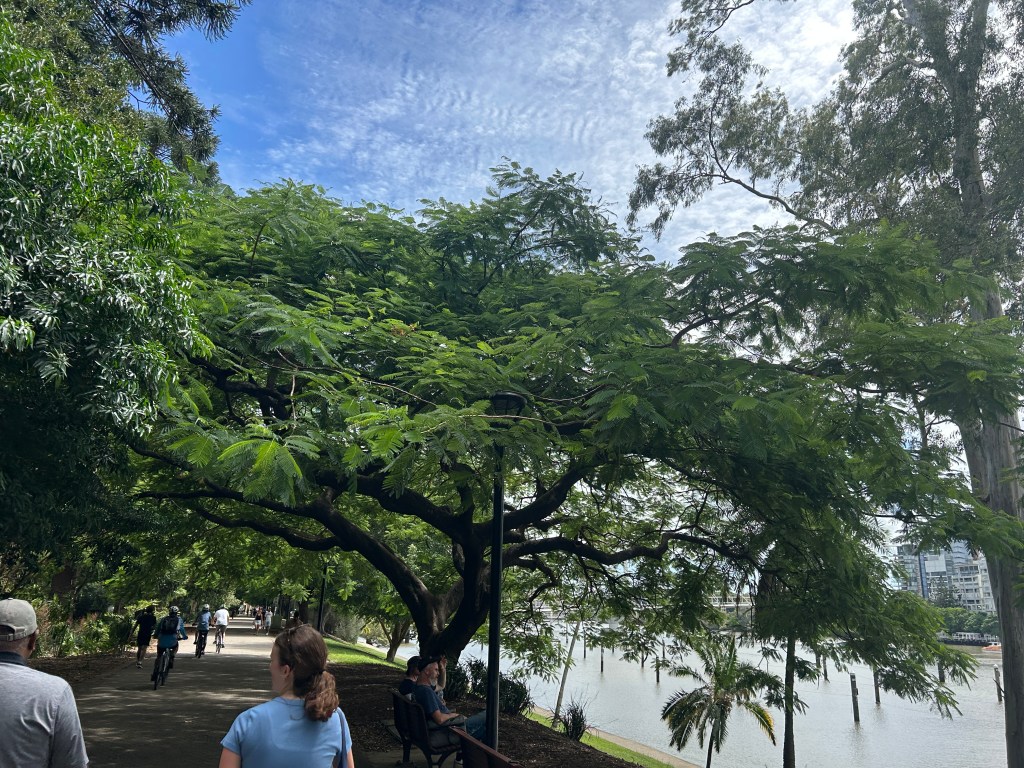
Brisbane Botanic Gardens Path, QLD
In the Brisbane Botanic Gardens, the pathway operates as both a circulation route and a destination in itself. As I moved through the space, I noticed how the design balances enclosure and openness. On one side, dense vegetation and overhanging trees create a semi-enclosed environment that provides shade and comfort, while on the other side, the space opens up toward the river, offering visual relief and connection to the surrounding landscape. This combination creates a dynamic spatial experience where users are not fully confined but still feel guided along a defined route. The presence of pedestrians, cyclists, and people sitting along the edge indicates that the space supports multiple uses simultaneously. The path is wide enough to accommodate these activities without conflict, which is critical in high-use public spaces. Additionally, the relationship between the path and the water enhances the overall character, making the space feel more integrated with its natural surroundings. This example highlights how thoughtful design can support both movement and social interaction.
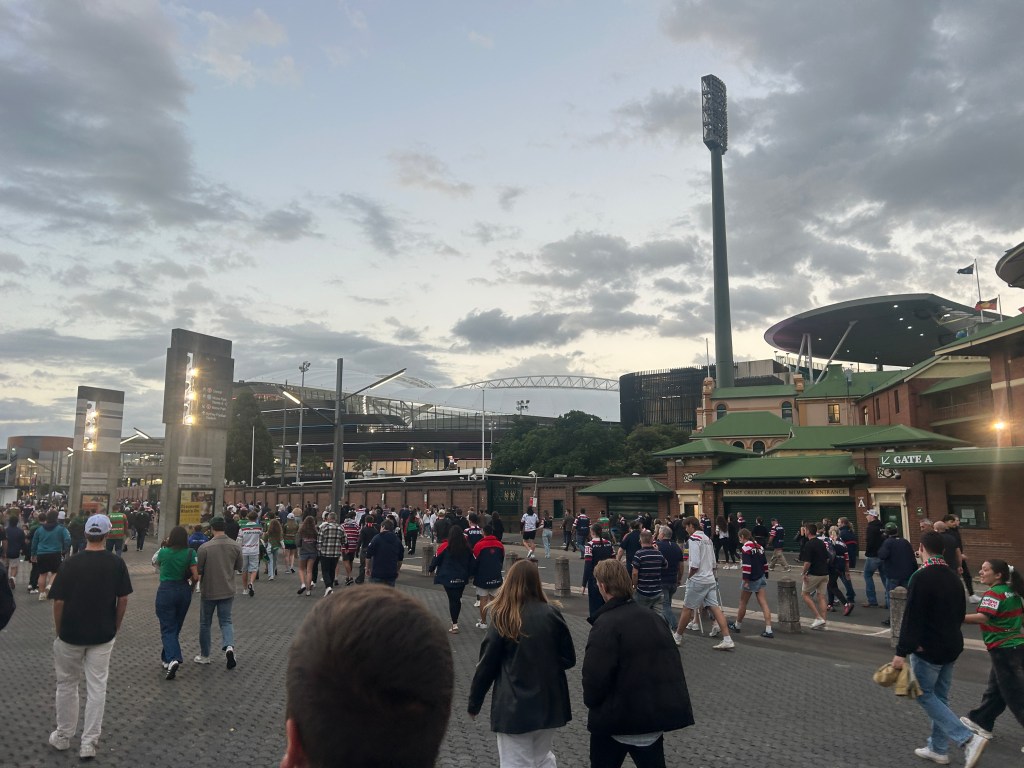
Sydney Cricket Ground Walkway, NSW
As I approached the Sydney Cricket Ground, the spatial experience shifted significantly compared to more natural environments. This walkway is designed to handle large volumes of people, and that is immediately evident in its scale and layout. The wide, open pavement allows for efficient crowd movement, particularly during events when thousands of people are entering or exiting the stadium. Unlike the previous spaces, enclosure is not defined by vegetation or architectural elements but rather by the surrounding infrastructure and the density of people. The edges of the space are more loosely defined, but the direction of movement is clear due to the orientation of the stadium entrances and the flow of the crowd. The materials used are durable and uniform, which is important for maintaining functionality under heavy use. This space demonstrates how design priorities shift in high-capacity environments, where circulation efficiency and safety become more important than aesthetic enclosure or landscape integration.
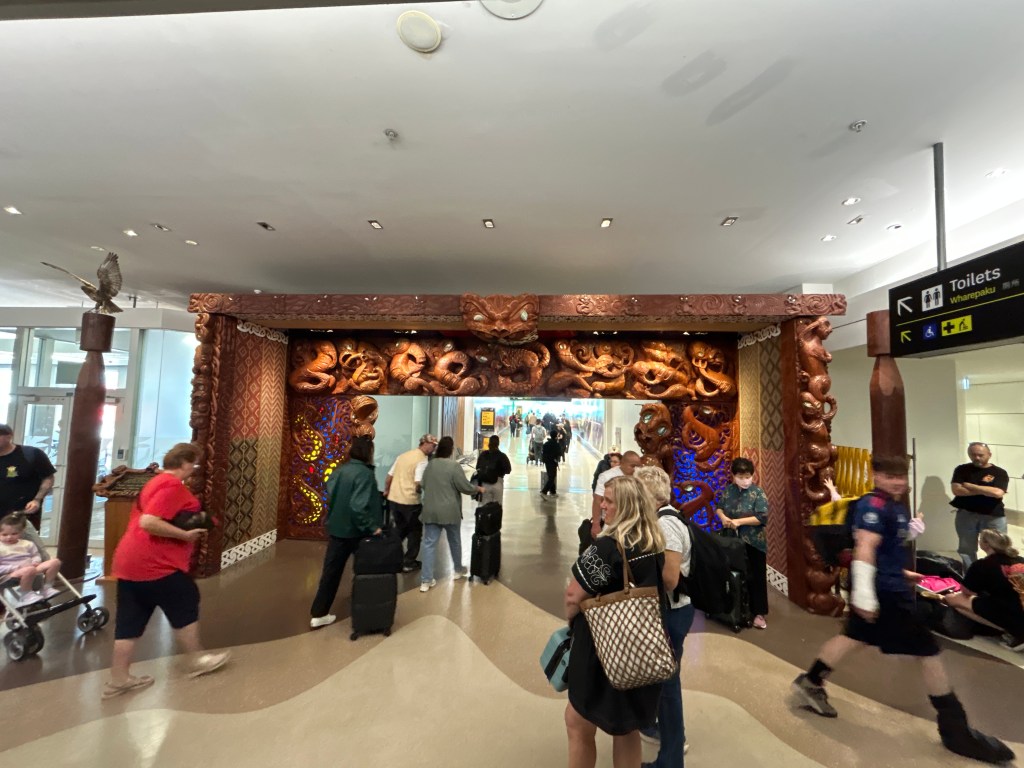
Auckland Airport Māori Gateway Hallway, Auckland, NZ
As I moved through this hallway in Auckland Airport, I observed how the space is clearly defined and organized to guide circulation while also incorporating cultural elements. The carved Māori gateway acts as a physical and visual threshold, creating a strong sense of entry and transition between areas of the airport. This feature establishes enclosure within the otherwise open interior by framing the pathway and directing movement forward. The width of the corridor allows for high pedestrian traffic, which is necessary in an airport environment, and the smooth flooring supports efficient movement of both people and luggage. I also noticed how the space is influenced by user activity, with travelers naturally funneling through the gateway, reinforcing its role as a circulation control point. The ceiling height and lighting contribute to a sense of openness, preventing the space from feeling congested despite the high volume of users. Overall, this space demonstrates how architectural elements and cultural design can work together to define circulation, create identity, and improve the overall experience within a highly functional environment.
BUILDINGS
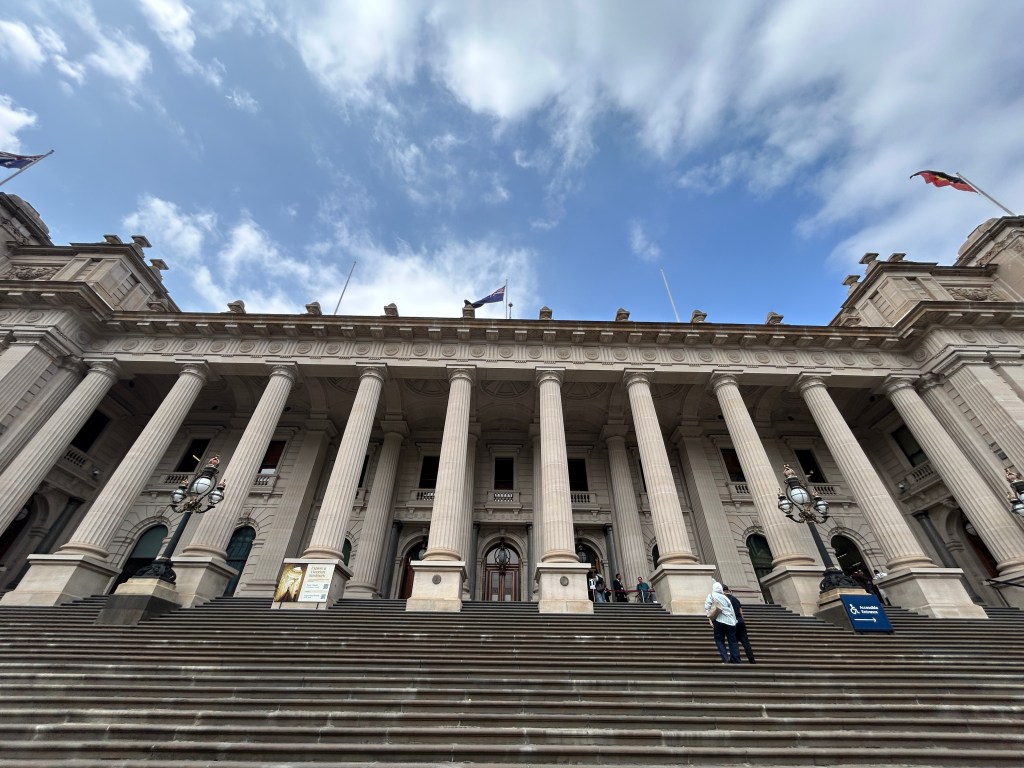
Victoria Parliament, Melbourne, VIC
When I approached the Parliament building in Melbourne, the scale and symmetry immediately stood out. The large columns, elevated stairs, and balanced façade create a strong sense of hierarchy, signaling the importance of the building’s function. The use of stone as the primary material adds to the perception of durability and permanence, which is typical of civic architecture. As I looked closer, I noticed how the repetition of columns and the alignment of windows contribute to a highly ordered design. The building’s elevation above street level further reinforces its significance, requiring visitors to physically ascend toward it. This creates a psychological sense of importance and authority. The overall composition reflects classical architectural principles, where proportion, symmetry, and material consistency are used to convey stability and governance.
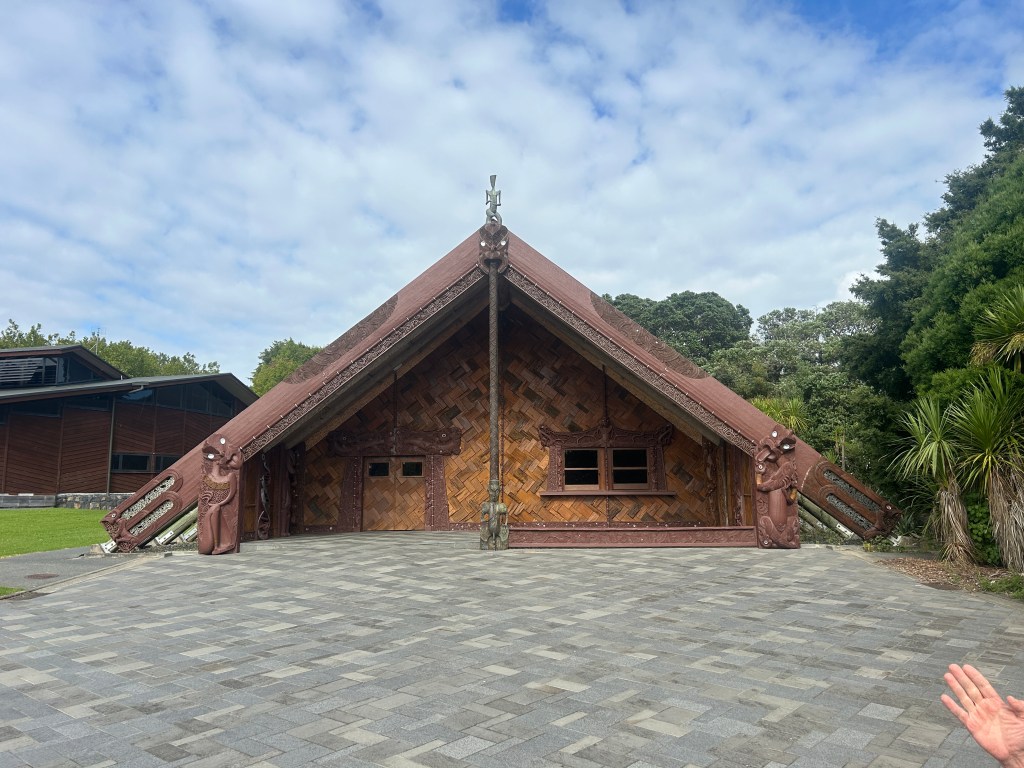
Māori Meeting House, Auckland, NZ
The Māori meeting house presents a completely different architectural approach compared to the Parliament building. As I observed the structure, I was struck by the level of detail in the timber construction. The carvings and patterns are not just decorative but carry cultural and symbolic meaning. The use of wood as the primary material creates a warmer and more organic appearance, contrasting with the rigid stone structures seen in civic buildings. The building’s form is lower and more horizontal, but the intricate detailing draws attention and creates a strong visual identity. This structure emphasizes craftsmanship and cultural expression rather than scale or monumentality. It demonstrates how architecture can reflect the values and traditions of a community through material choice and design.
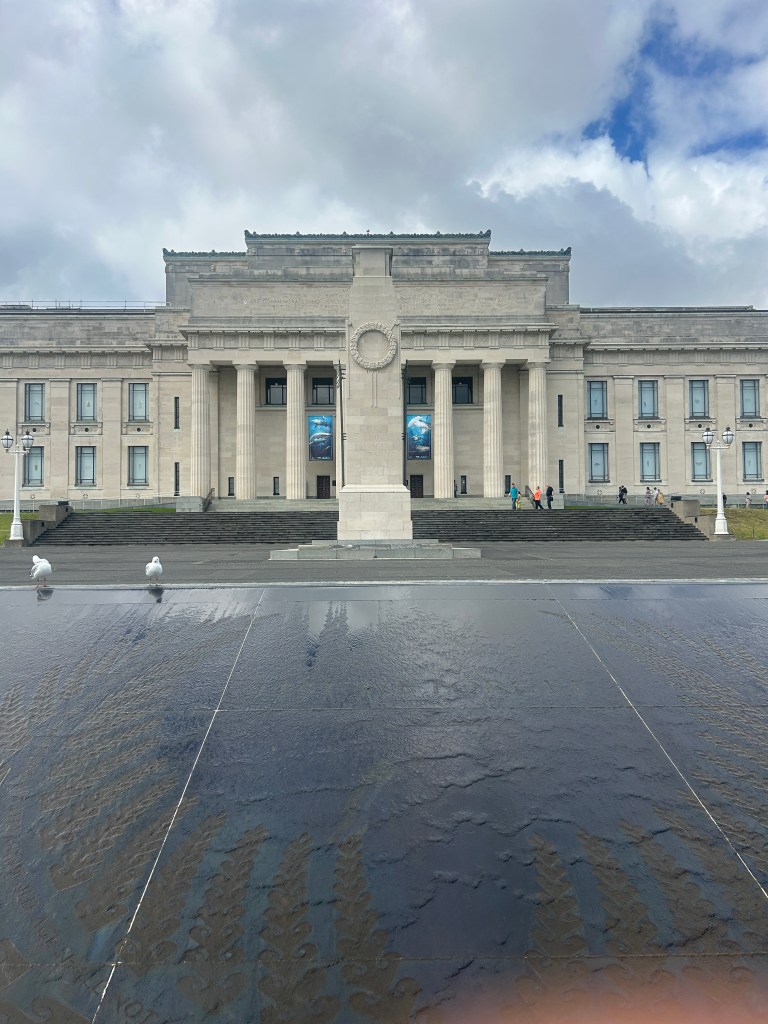
Auckland War Memorial Museum, Auckland, NZ
The Auckland War Memorial Museum combines monumentality with classical design elements. As I viewed the building, I noticed the strong horizontal base and vertical columns that create a balanced and symmetrical façade. The central entrance is clearly emphasized, guiding visitors toward a focal point. The use of stone and clean lines gives the building a timeless quality, reinforcing its role as a civic and cultural institution. The building’s placement on elevated ground further enhances its prominence within the landscape. This structure demonstrates how architectural design can communicate importance through scale, symmetry, and material consistency.
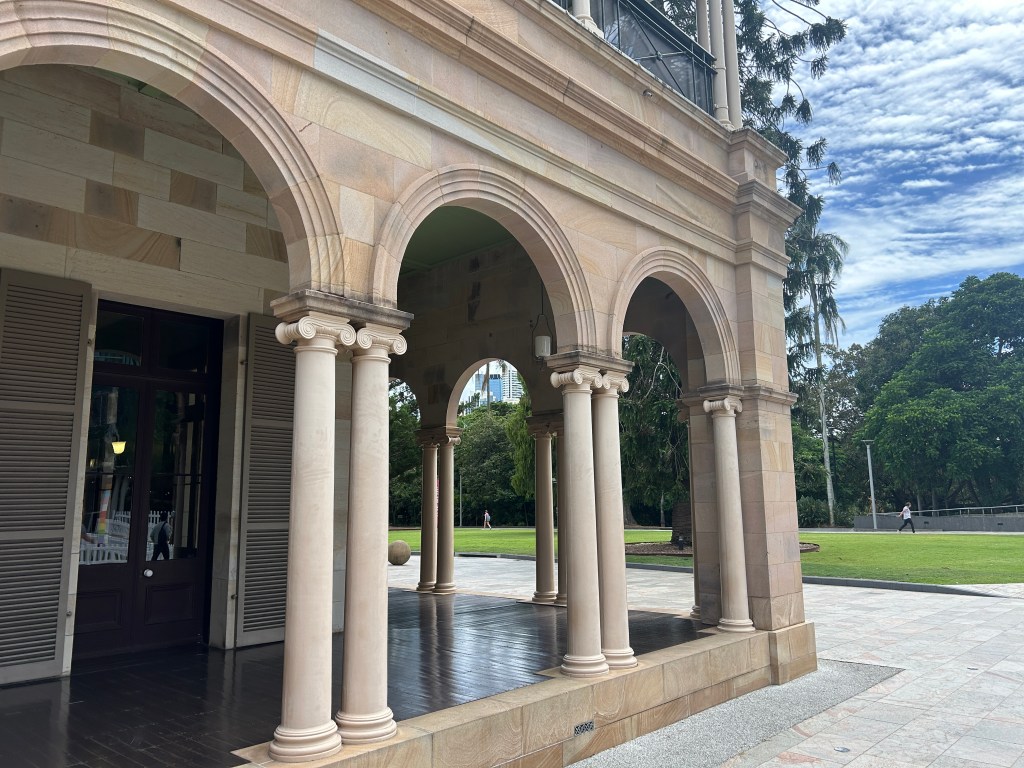
Old Government House, Brisbane, QLD
Old Government House offers a more human-scaled interpretation of historic architecture. As I examined the building, I noticed how the arches and columns create rhythm along the façade, providing both structural support and visual interest. The materials and detailing reflect colonial influences, while the overall scale makes the building feel more approachable than larger civic structures. The building’s connection to the surrounding landscape is also important, as it integrates well with the adjacent open space. This creates a cohesive environment where architecture and landscape work together. The building demonstrates how smaller-scale historic structures can still maintain a strong presence through proportion and detailing.
VIEWS
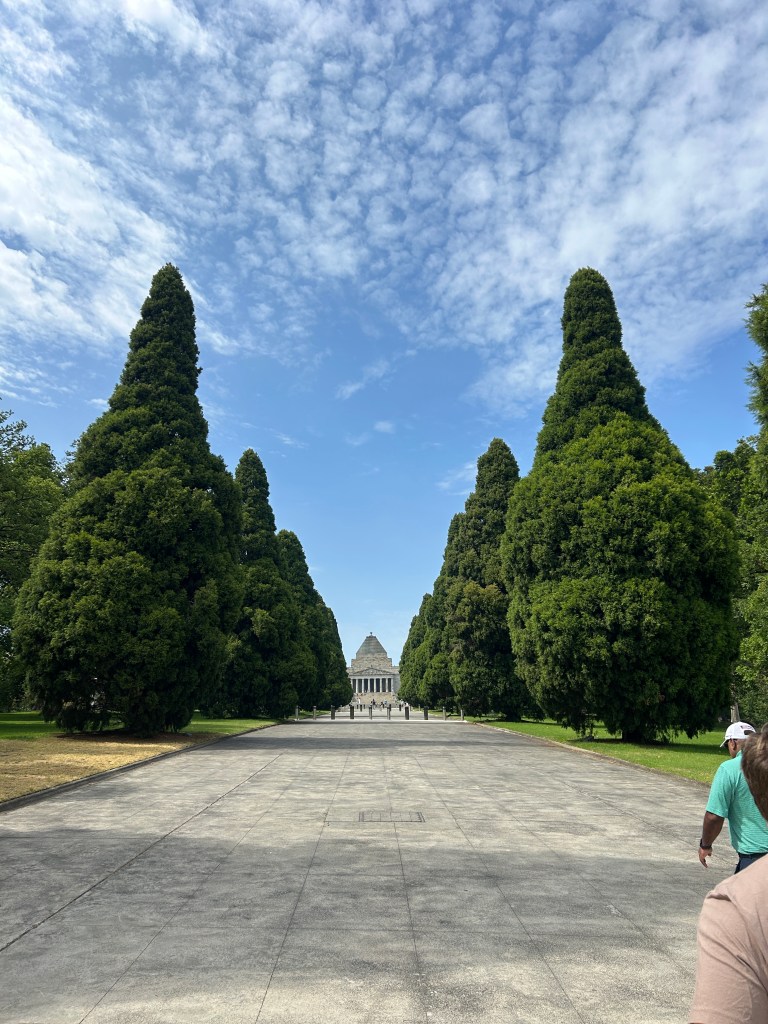
Shrine of Remembrance Path, Melbourne, VIC
As I stood along the pathway leading to the Shrine of Remembrance, I noticed how the view is intentionally structured to guide attention. The rows of trees on both sides create a strong visual corridor, directing the eye toward the monument at the end of the path. This type of channeled view reinforces the importance of the destination and creates a sense of procession as people move through the space. The alignment of the path, trees, and monument demonstrates a high level of planning and design intent. This view is not accidental but carefully constructed to create a meaningful experience.
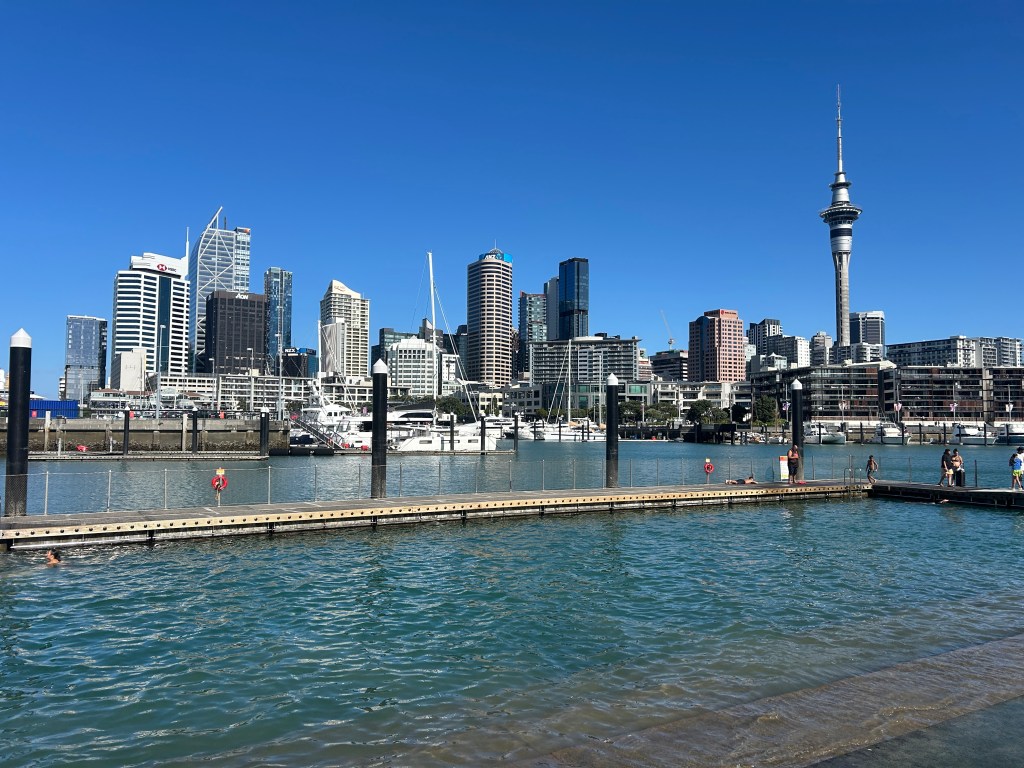
Auckland Harbor, Auckland, NZ
At the Auckland harbor, the view is much more open and expansive. As I looked across the water, the skyline became the focal point, with the harbor acting as a foreground element that separates the viewer from the buildings. This creates a sense of depth and scale that is different from more enclosed views. The presence of boats and waterfront activity adds visual interest, but the primary focus remains on the relationship between the water and the urban skyline. This view demonstrates how open spaces can frame distant elements and create a strong visual connection between natural and built environments.
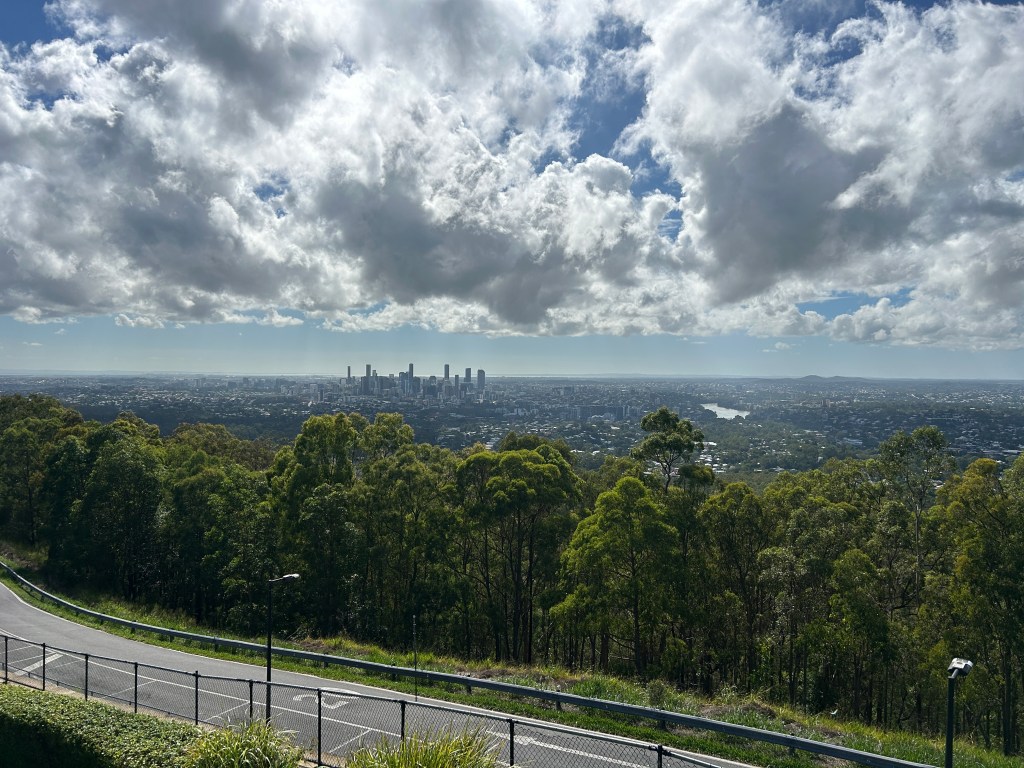
Mount Coot-tha Lookout, Brisbane, QLD
From the Mount Coot-tha lookout, I was able to see the entire city of Brisbane from an elevated perspective. This vantage point provides a comprehensive understanding of how the city is organized, including the relationship between the central business district and surrounding residential areas. The elevation allows for a broader view that is not possible at street level. I also noticed how the surrounding landscape, including trees and hills, frames the city in the distance. This view highlights the importance of topography in shaping how a city is perceived.
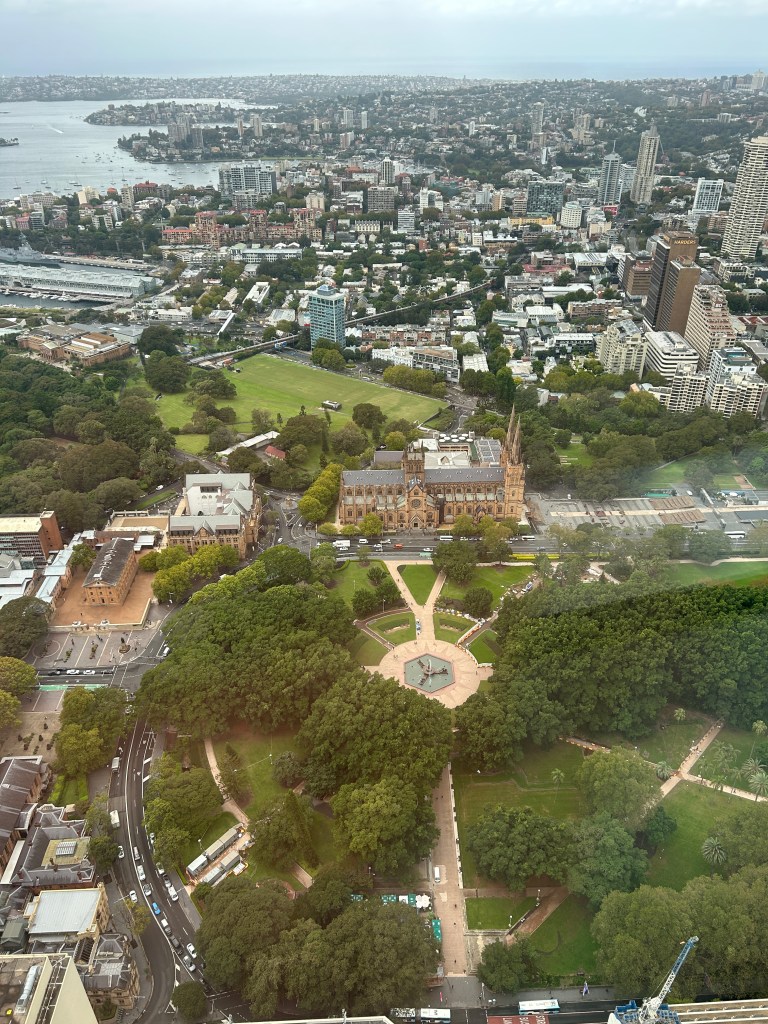
Sydney Tower View (St. Mary’s Cathedral), NSW
Looking down from Sydney Tower, I observed how the cathedral, park, and surrounding streets are arranged within the urban environment. The cathedral acts as a focal point, while the surrounding green space provides contrast against the dense cityscape. The elevated perspective allows for a clearer understanding of spatial relationships, including circulation paths and building placement. This view demonstrates how vertical viewpoints can reveal patterns and organization that are not visible from ground level.
AMBIENCE
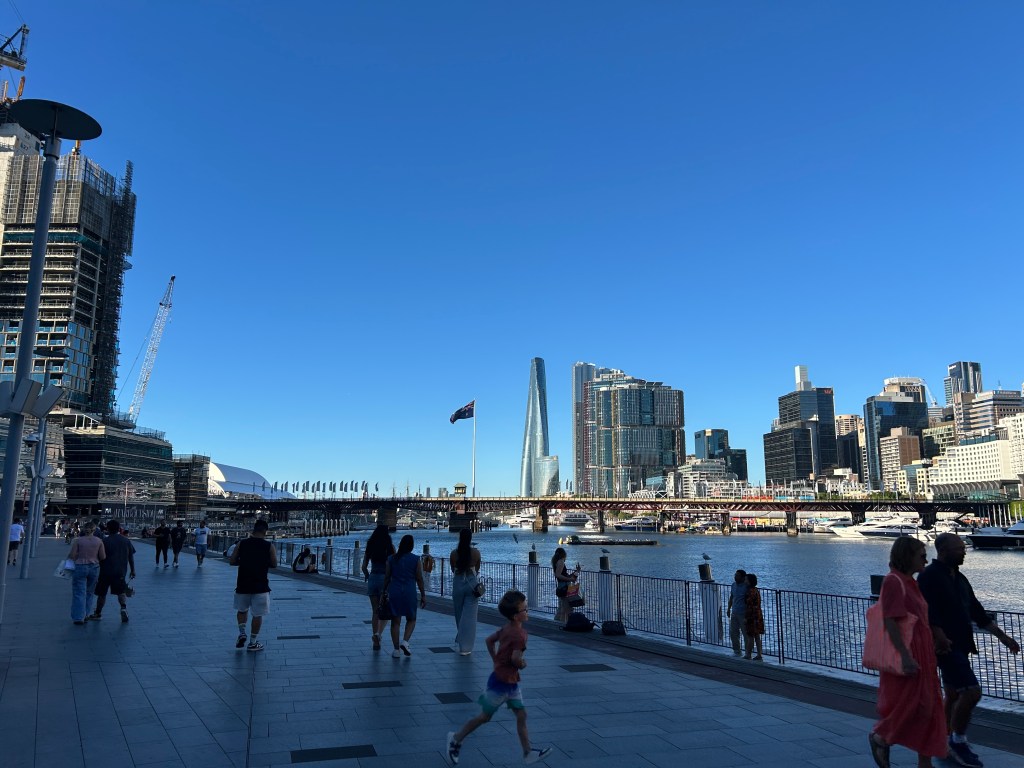
Sydney Harbour, NSW
The ambience at Sydney Harbour is defined by constant activity and movement. As I walked along the waterfront, I observed a mix of pedestrians, boats, and surrounding urban elements that contribute to a lively and energetic atmosphere. The openness of the space allows for large crowds without feeling congested, while the presence of water adds to the overall experience. The combination of natural and built elements creates a dynamic environment that is both functional and visually engaging.
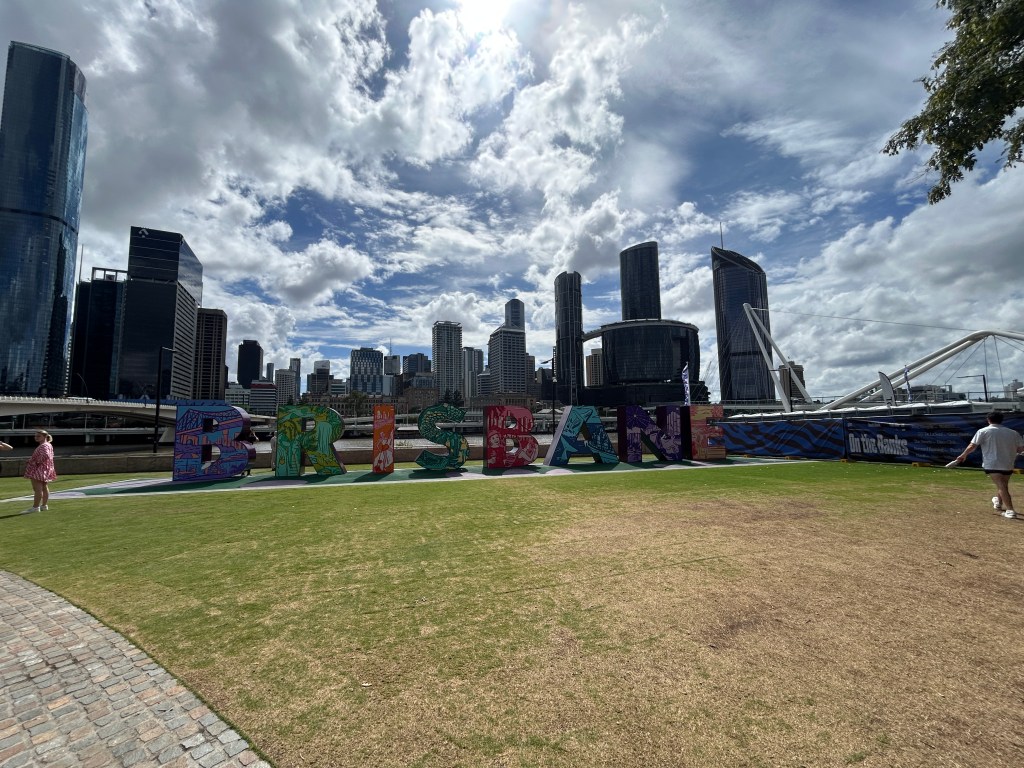
Brisbane Sign, Brisbane, QLD
The Brisbane sign creates a more informal and social atmosphere. As I observed the space, I noticed how people interact with the sign by taking photos and gathering around it. This creates a sense of activity that defines the character of the space. The sign itself becomes a focal point, drawing people into the area and encouraging interaction. This example shows how a single element can influence the overall ambience of a location.
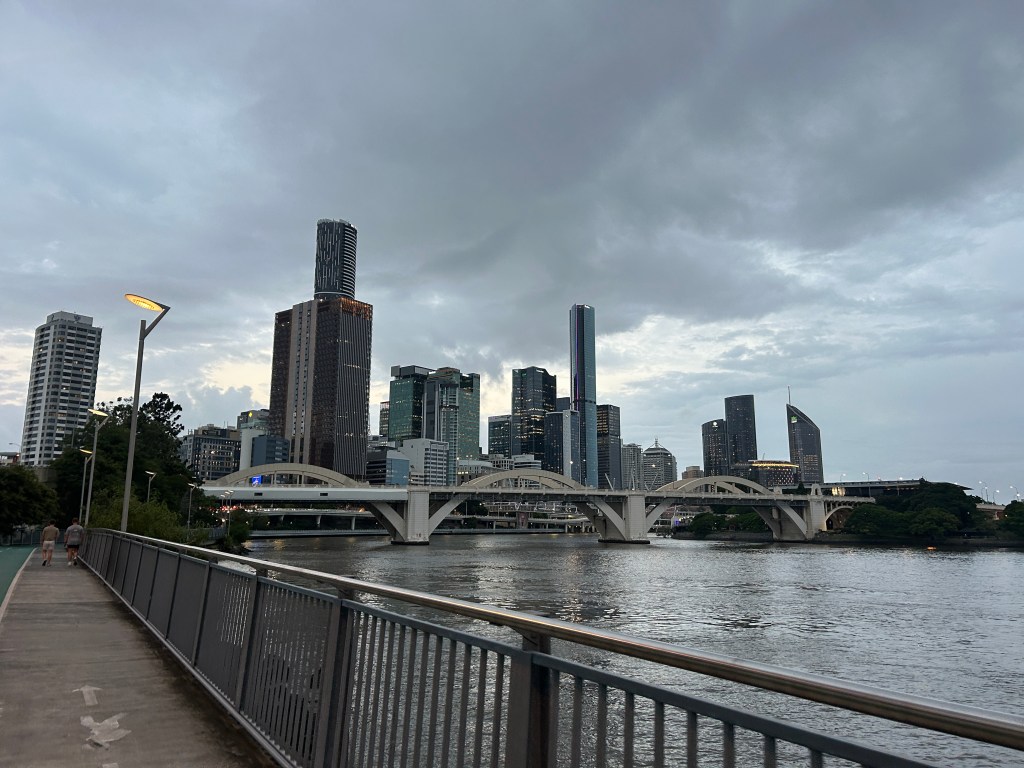
Brisbane Riverwalk (Evening), Brisbane, QLD
In the evening, the Brisbane riverwalk takes on a different atmosphere compared to daytime conditions. The lighting along the path and reflections on the water create a calmer and more relaxed environment. While there is still activity, the pace feels slower and more subdued. This demonstrates how time of day can significantly impact how a space is experienced.
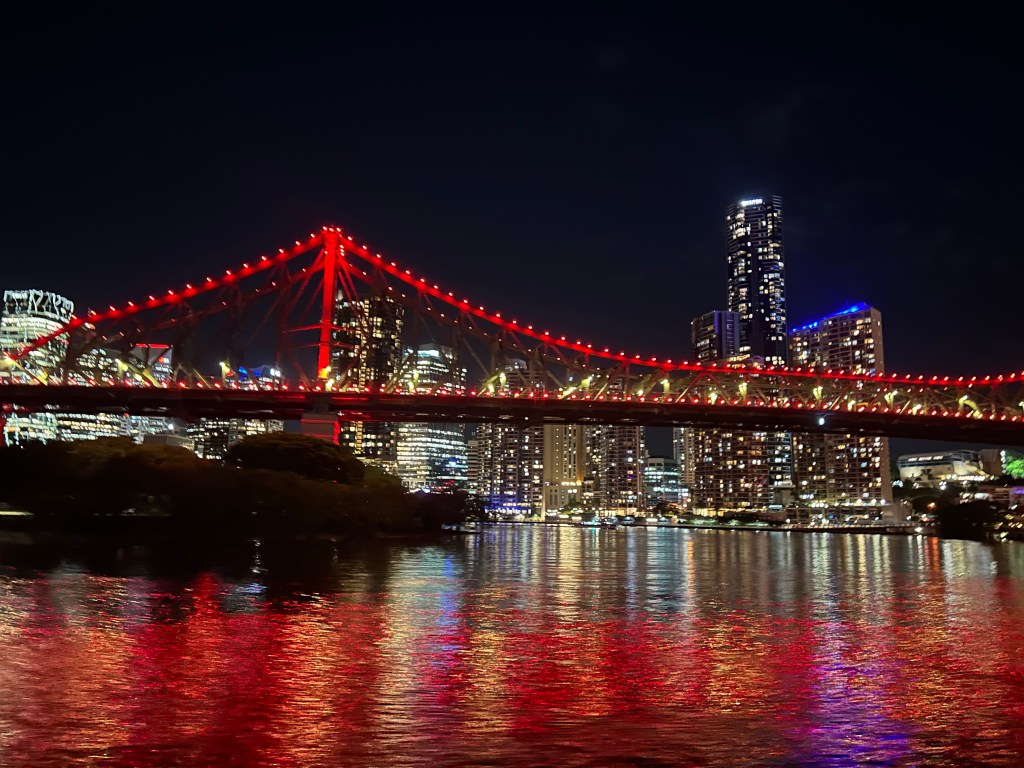
Story Bridge (Night), Brisbane, QLD
At night, the Story Bridge becomes a defining feature of the surrounding environment due to its lighting. The red illumination stands out against the dark sky and reflects on the water below, creating a visually striking scene. This changes the perception of the space entirely, showing how lighting can enhance and redefine the ambience of an area.
LANDSCAPE
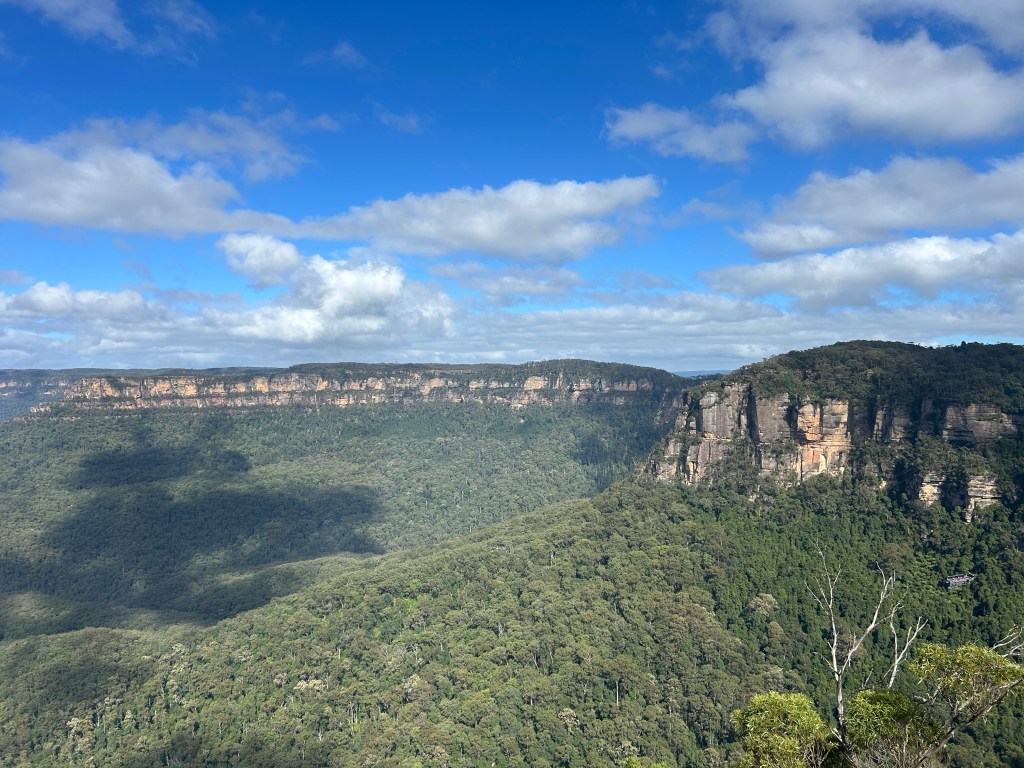
Blue Mountains, NSW
The Blue Mountains present a dramatic natural landscape defined by steep cliffs, dense vegetation, and significant changes in elevation. As I looked out over the valley, I noticed how the layers of terrain create depth and scale that are difficult to capture in smaller environments. The natural features dominate the experience, with minimal built intervention. This landscape highlights the importance of topography in shaping the character of a place.
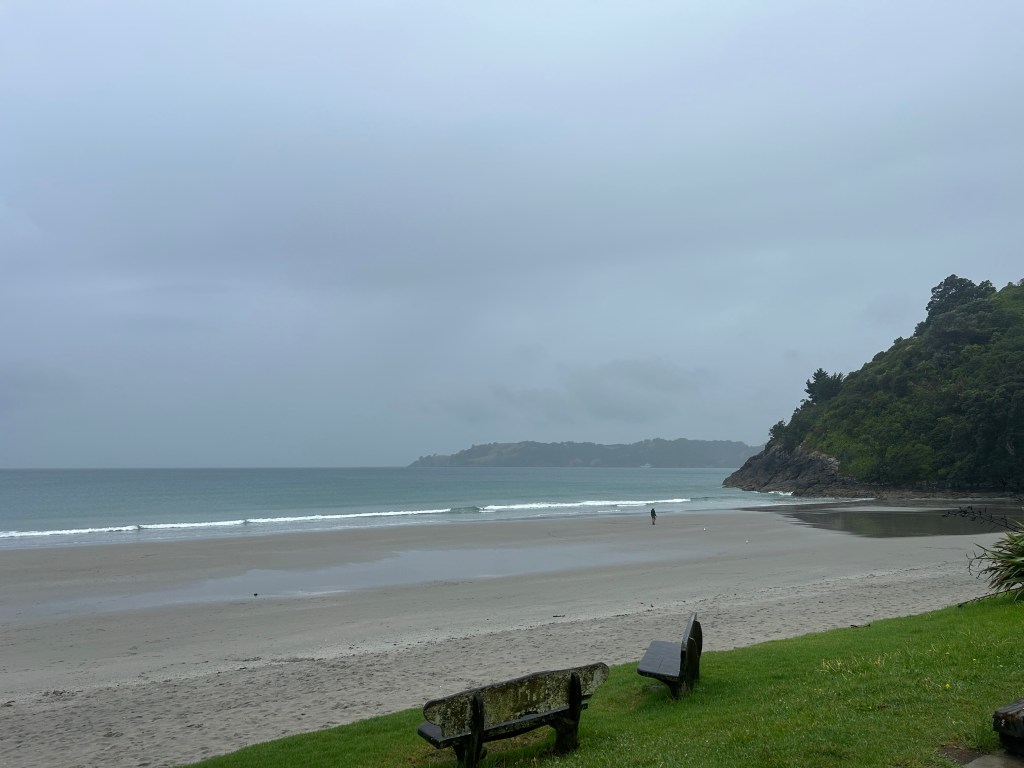
Waiheke Island Beach, NZ
At Waiheke Island, the landscape is defined by the coastline and surrounding water. The terrain is more gradual compared to the Blue Mountains, creating a more relaxed and accessible environment. The combination of sand, water, and vegetation contributes to a calm and open atmosphere. This landscape demonstrates how natural elements can create a sense of tranquility.
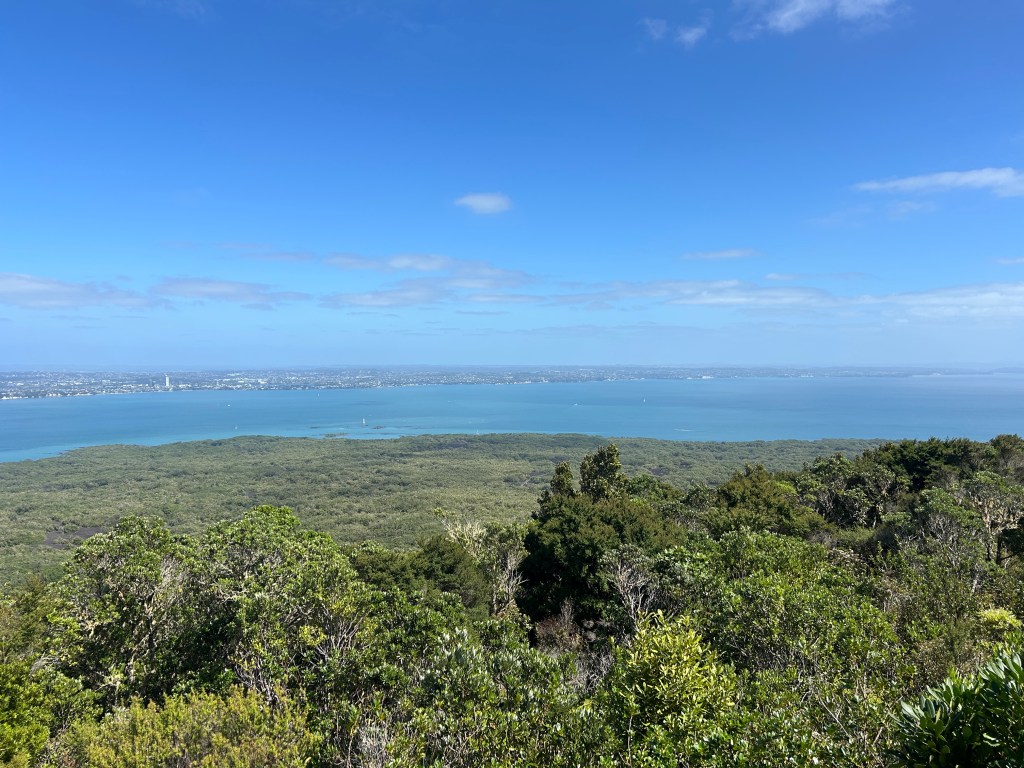
Rangitoto Island Summit View, Auckland, NZ
Standing at the top of Rangitoto Island, I observed a wide panoramic view that emphasizes both scale and spatial relationships between land and water. From this elevated position, the foreground is dominated by dense vegetation, which gradually transitions into the open expanse of the harbor and then into the distant urban shoreline. This layering creates a strong sense of depth and allows the viewer to clearly understand how natural and built environments interact. Unlike more controlled or channeled views, this perspective is expansive and uninterrupted, offering a continuous line of sight across the landscape. The horizon line and water body act as visual anchors, while the surrounding terrain frames the scene without restricting it. This type of view highlights the importance of topography in shaping visual experience, as elevation provides a broader and more comprehensive understanding of the environment. Overall, this view demonstrates how natural vantage points can create powerful visual connections between different elements of a region.
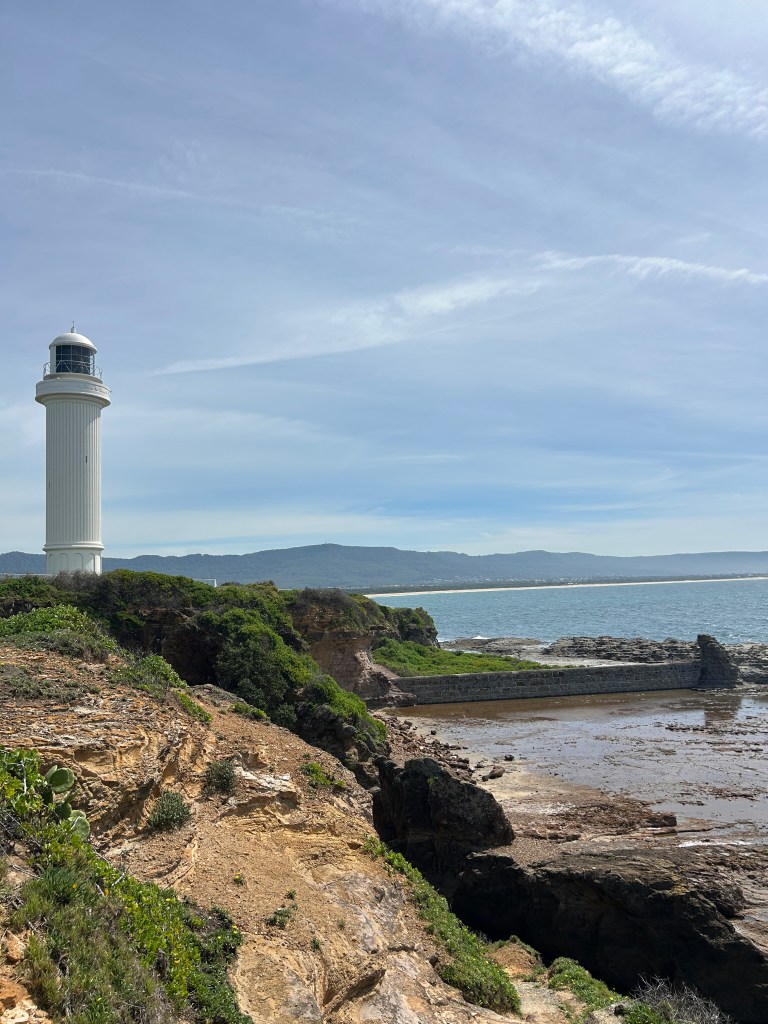
Flagstaff Point Lighthouse, Wollongong, NSW
At the lighthouse, I observed the interaction between natural and built elements. The rocky cliffs, ocean, and vegetation create a rugged natural environment, while the lighthouse provides a focal point. The contrast between the structure and the surrounding landscape enhances the overall visual impact. This example shows how minimal built intervention can complement and highlight natural features rather than dominate them.
 BSCI Down Under 2026
Leave a comment